
Articles
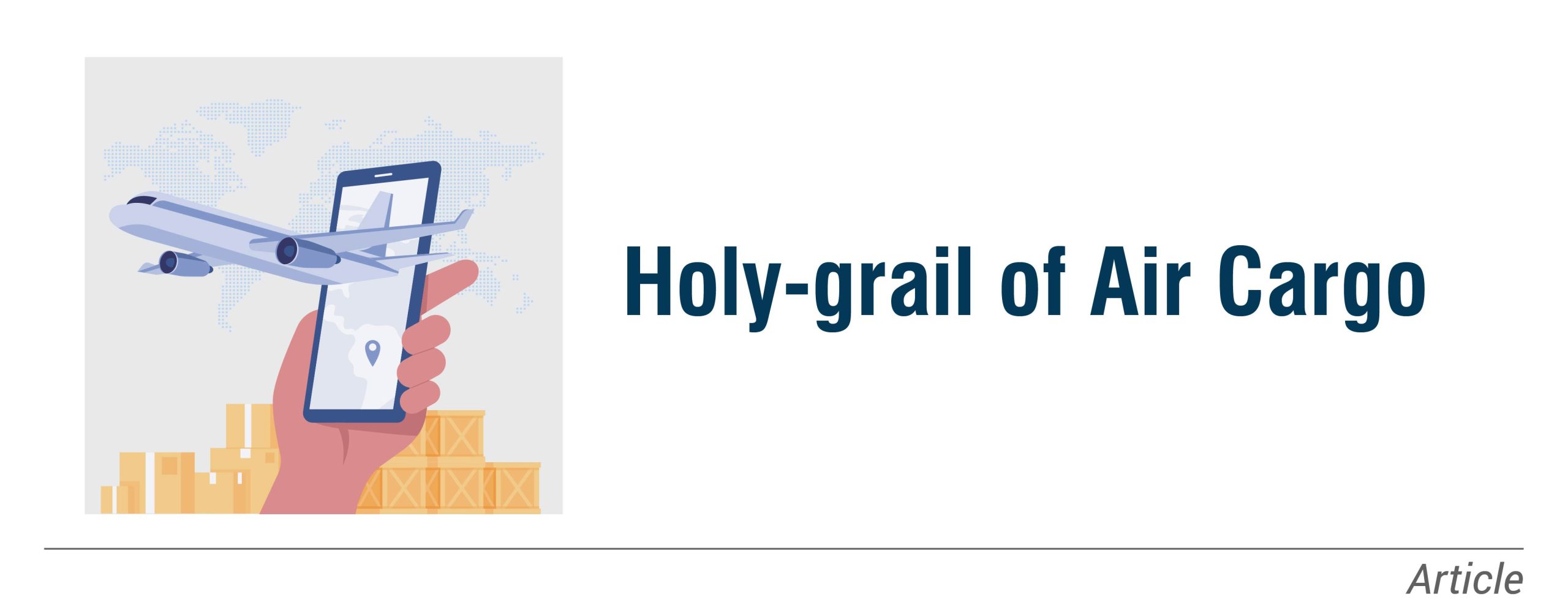
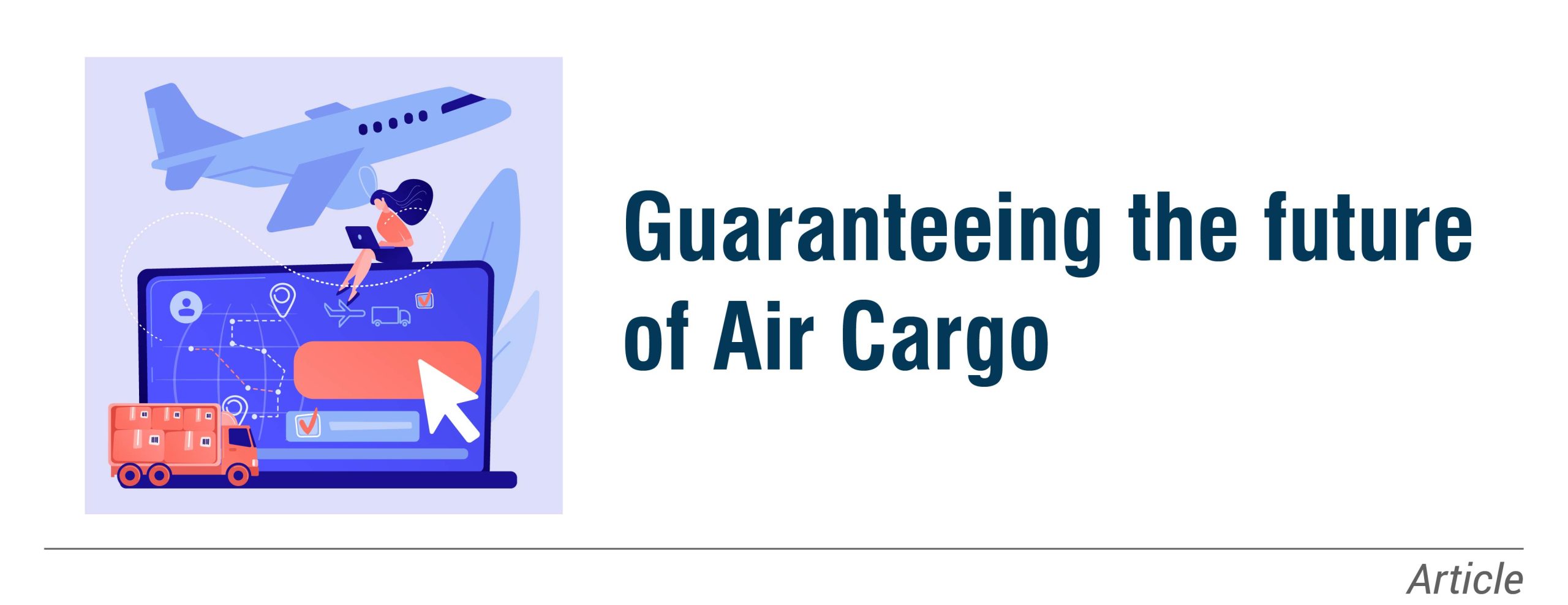
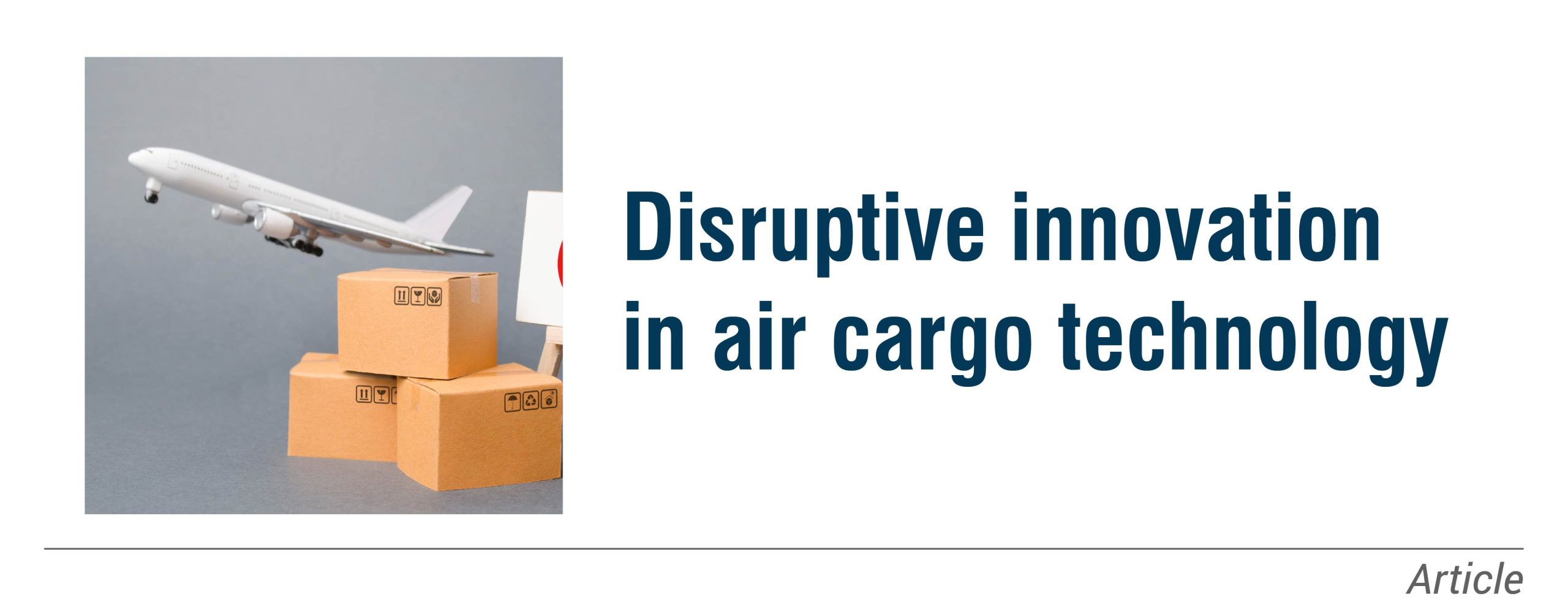
One of the few bright spots in the aviation industry during the COVID-19 crisis has been air cargo. While passenger traffic plummeted and more than 50% of the passenger fleet remained grounded for much of the year, most cargo freighters continued operating with even higher levels of utilisation. This was largely driven by a dramatic decline in belly cargo capacity on passenger aircraft.
16 July 2022

TIFFA has been aggressively promoting e-AWB in Thailand during the pandemic to drive paperless trade among SMEs. How has the Thai logistics sector responded to this initiative? The adoption of digital technology in the logistics industry has accelerated during the pandemic. More sectors are embracing digital technologies and reshaping their business models to align with the ongoing digital transformation.
16 July 2022
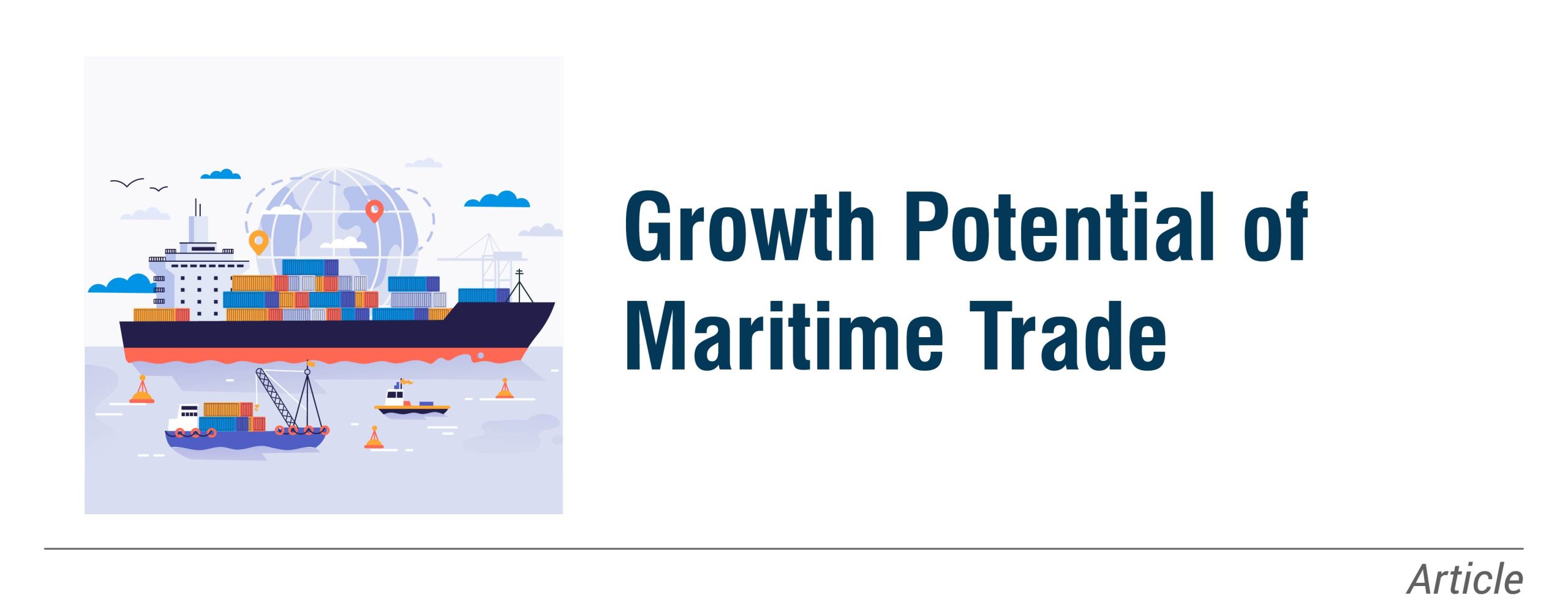
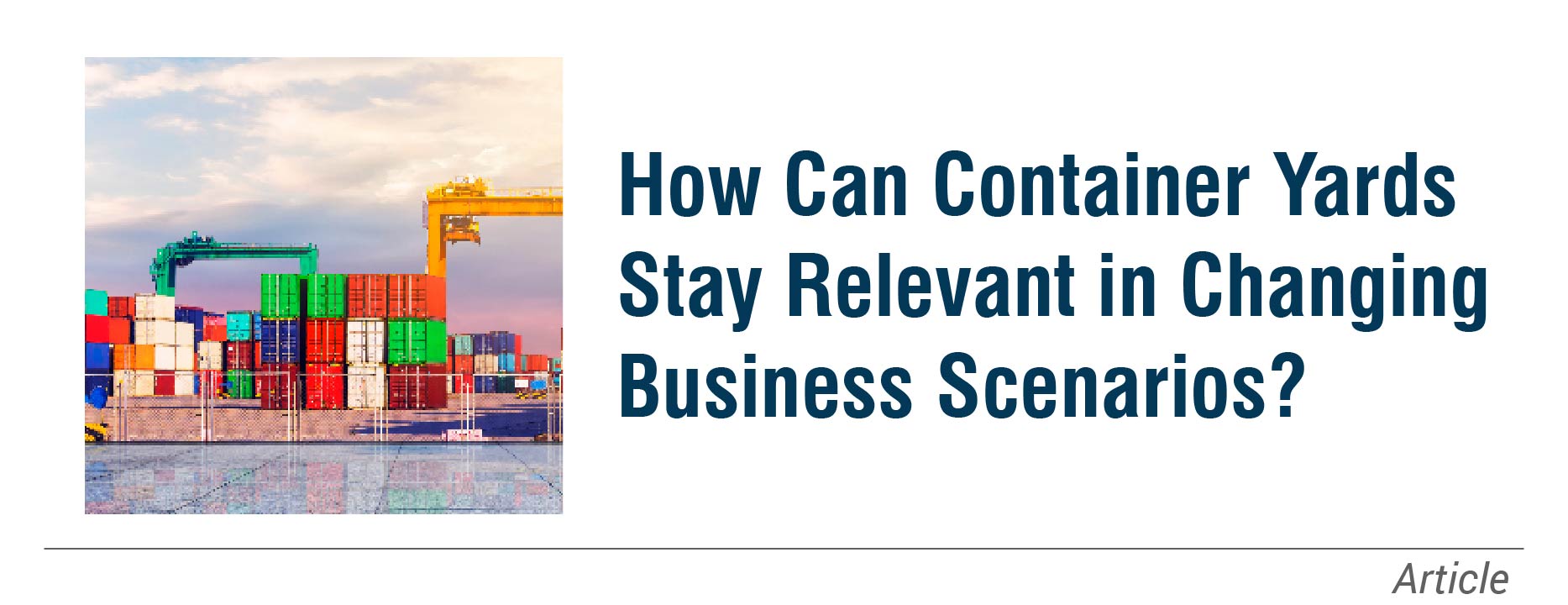
Ports need help in modernising the following areas: bottlenecks in managing the logistics of loading and unloading, and improving cargo throughput. The problem is accentuated by the lack of usable and storage space at ports, making real-time collaboration among all stakeholders essential. Unscheduled breakdowns of critical equipment, such as cranes and RTGs, further impact operations. Improved collaboration with various agencies is also necessary to ensure seamless port operations.
16 July 2022

While freight exchange platforms have existed in the logistics industry for over a decade, there has been a surge in cloud-driven marketplaces that seamlessly match demand and supply through digital technologies. How do you see these platforms evolving further? Initially serving as demand and supply boards, these marketplaces have come a long way. They are now digitising logistics processes such as price discovery, tendering, e-bookings, and other key supply chain operations.
16 July 2022

In recent months, it has become clear that digitalisation is the key to success for any business. What technologies do you foresee as game-changers for the transportation and logistics industry in 2021? We have become accustomed to long international flights, crowded public transportation, and diesel-powered trucks. However, the future of transportation promises to transform all of that and much more.
16 July 2022

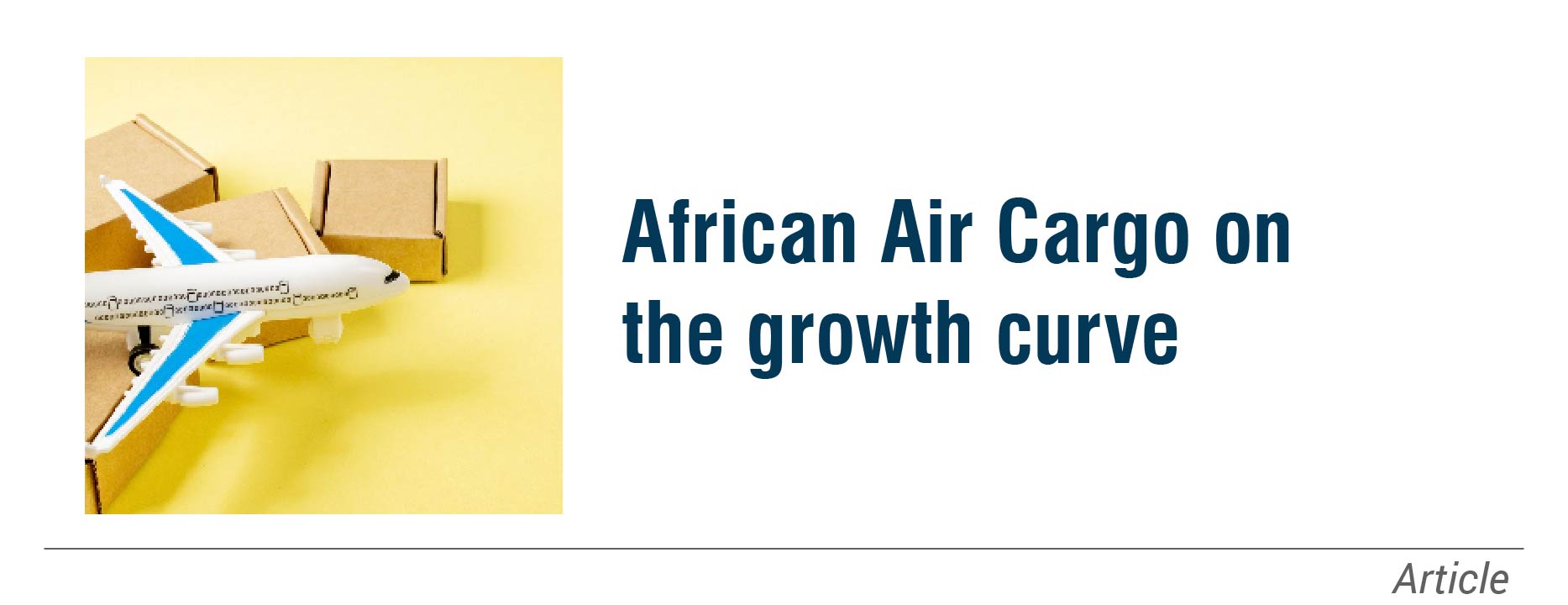
Although Africa is the world’s fastest-growing continent, it is no secret that, like its counterparts, it faces its own set of challenges, and the pandemic has only added to them. How do you think technology can improve the region’s logistics competitiveness? The pandemic has indeed brought many challenges to the African continent, particularly in the movement of goods and cross-border trade.
16 July 2022
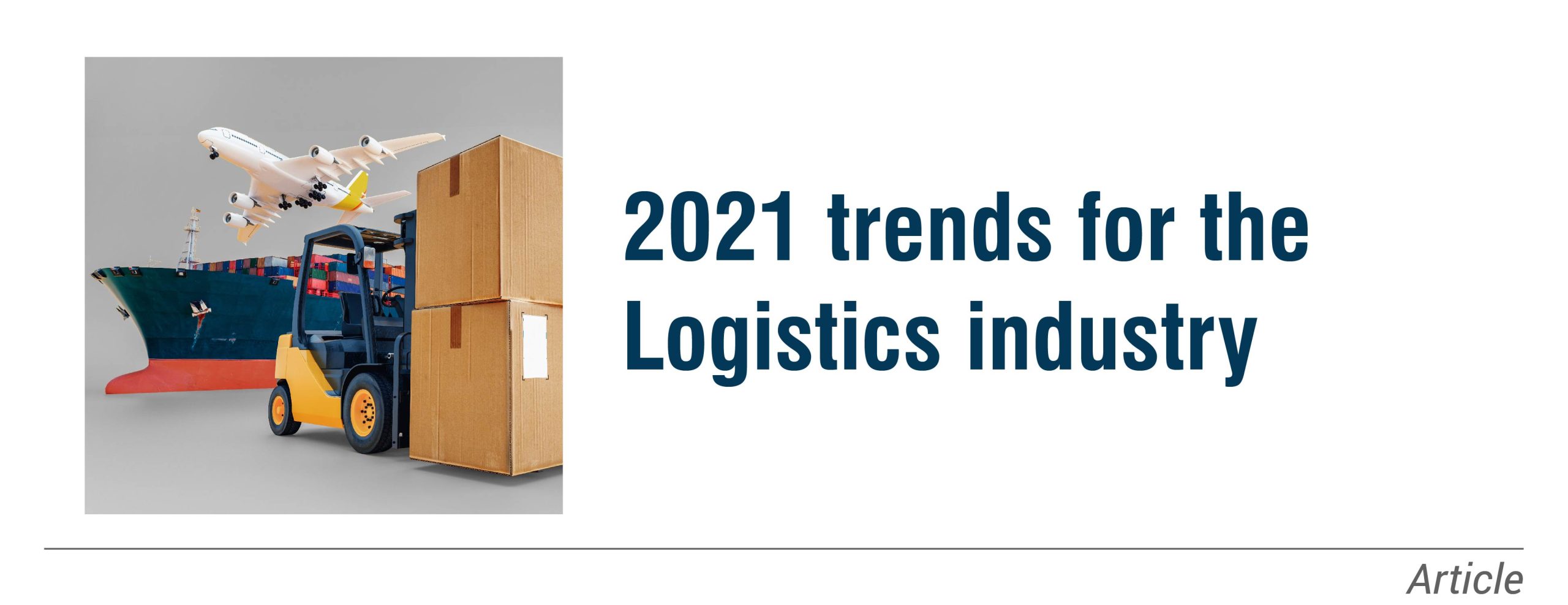
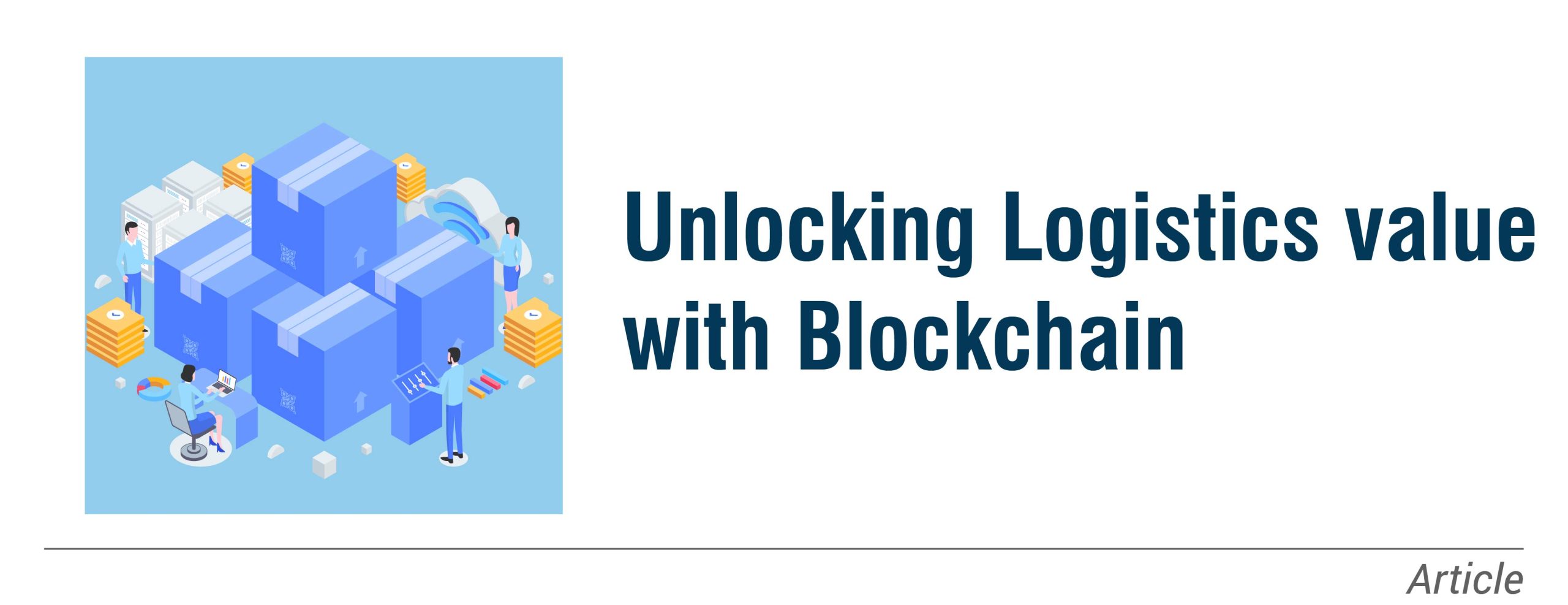
“Change is the only constant,” and the year 2020 proved that the COVID-19 pandemic was a catalyst for transformation. The logistics industry has been experiencing continuous change through innovation, occurring at a much faster pace than ever before. Technology-driven advancements have accelerated the integration of innovation into logistics business processes, forcing companies to rethink their operations and adapt to an increasingly digital landscape.
16 July 2022







- Page 5